Start with the asset
Understand what the equipment is, where it belongs, who owns it and which connections must be established before it can operate.
DeviceNIQ · Kiribati
Explore how teams could organise equipment records, maintenance tasks and operational handovers across distributed sites.
How it works
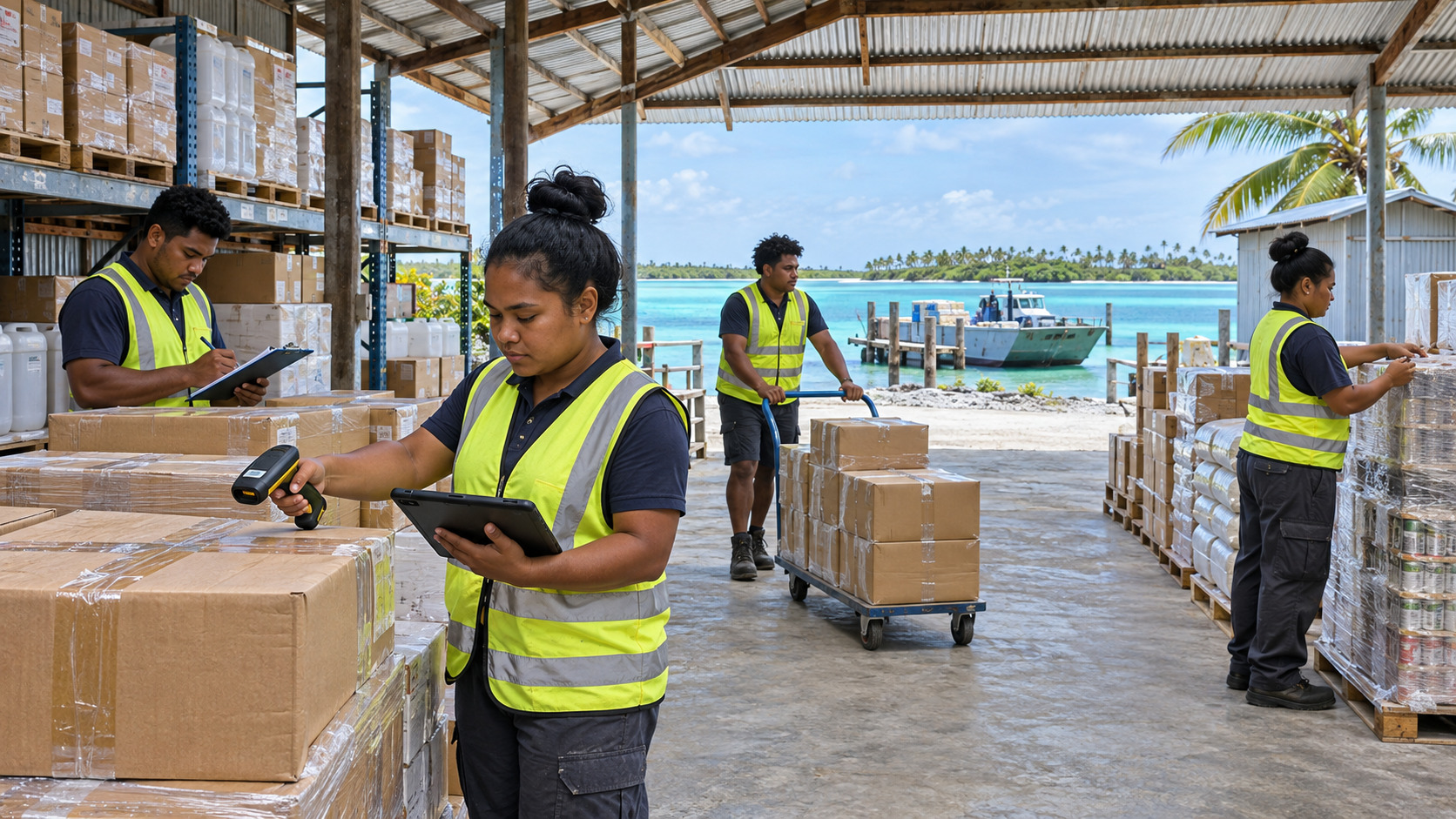
Physical operations depend on many systems and people. The shared operating model brings identity, evidence and action into the same conversation.
Understand what the equipment is, where it belongs, who owns it and which connections must be established before it can operate.
Keep commissioning checks and acceptance decisions attached to the asset. A handover should explain what is ready and what still needs attention.
Help the operating and support teams work from the same history, with clear ownership for exceptions and follow-up.
Distributed island operations raise practical design questions. Connectivity between islands can be intermittent, maintenance teams and spare parts may be spread across distant atolls, and equipment near the sea is exposed to salt and humidity. An evaluation could consider how records are captured offline and reconciled later, how maintenance work is coordinated between sites, and how inspection evidence for corrosion-prone equipment is recorded. These are design considerations for discussion, not implemented capabilities or customer deployments.
Platform
An energy installation, a production line and a connected building have different operating details. Their teams still need a coherent path from provisioning through commissioning to operation.
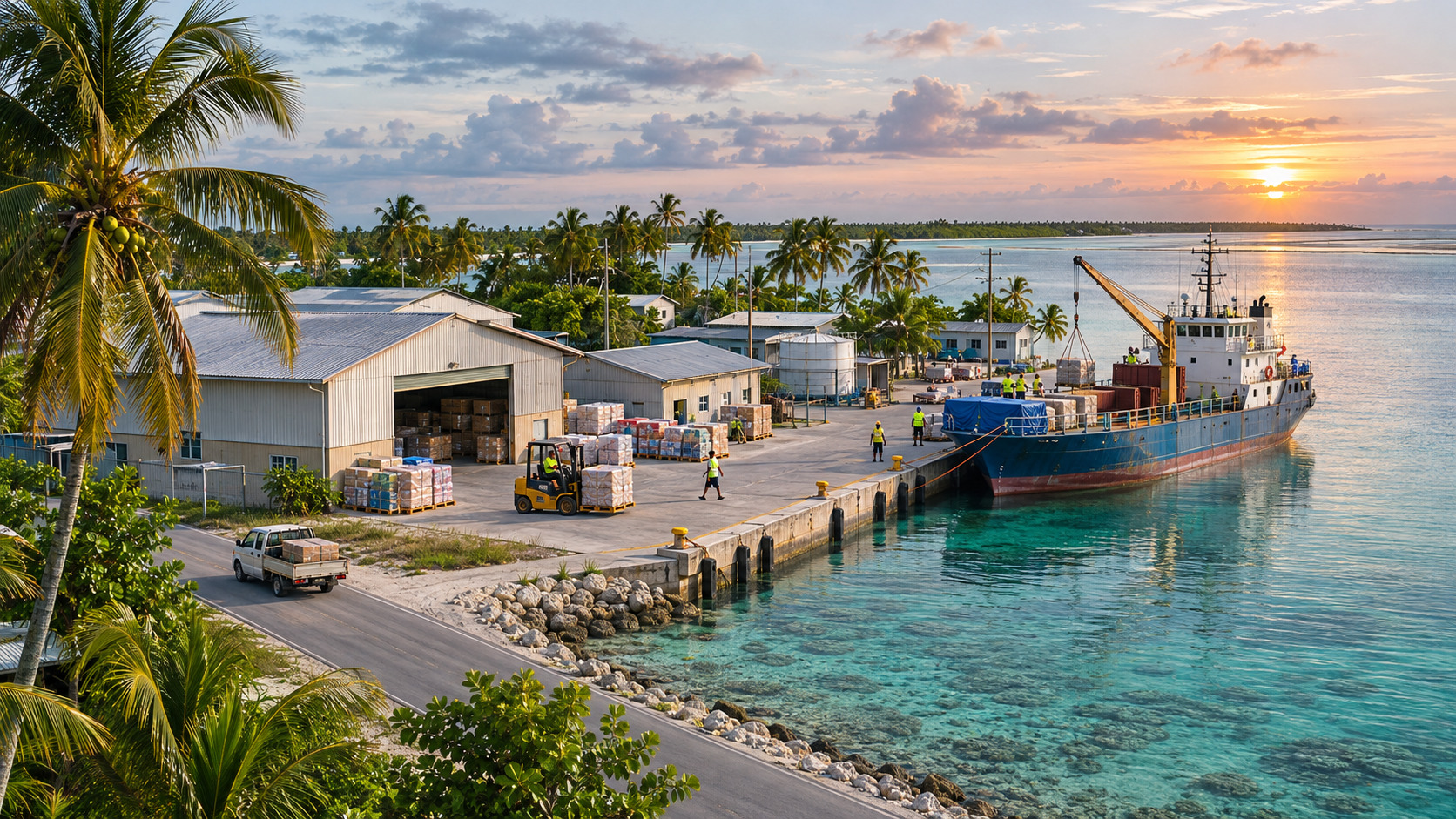
These are corporate portfolio themes and illustrative workflows. They are not an announcement of country-specific product availability.
Bring the operating problem, systems involved and the decision you need to make. The team can help frame a product-specific evaluation.